

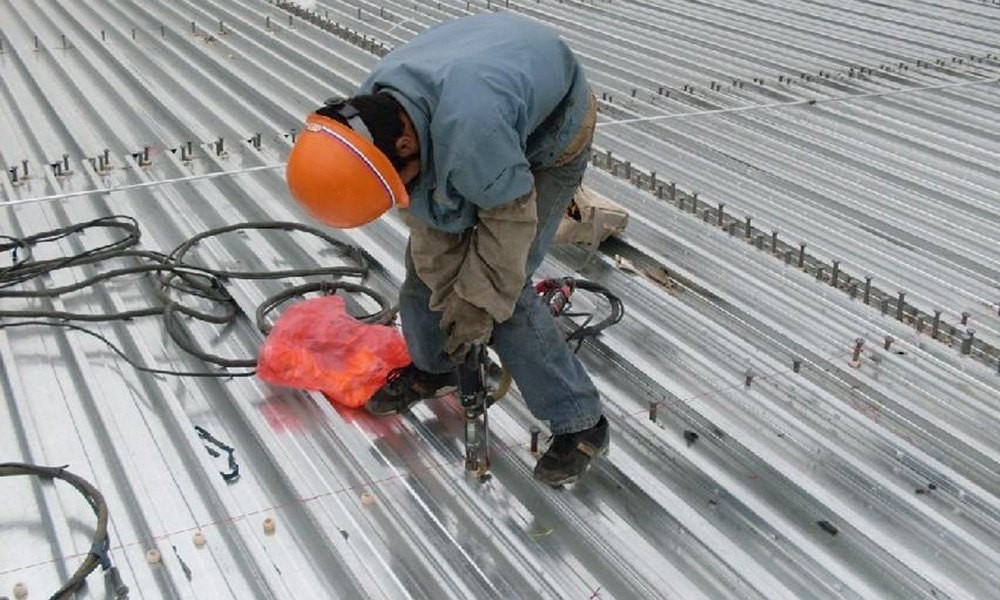
You’re due to replace your roof with metal when leaks spread across multiple bays, staining appears outside drainage paths, and fasteners back out or underlayment stays saturated-signs of system failure. Replace when storm patches keep failing, flashing reseals won’t hold, or repair costs rise due to permits and safety access. Upgrade if panels, seams, edge metal, or fasteners are pitted, bent, corroded, or wind/hail damaged, or if a 15-20-year roof can’t meet today’s ice-barrier and ventilation code. Keep going to see how each indicator is verified.
Roof Leaks: When Metal Roof Replacement Makes Sense
When do roof leaks stop being a “repair job” and start signaling a full replacement? When you can’t isolate the leak origin to a single, code-correct detail, and water shows up outside the expected drainage path. If staining spreads across multiple bays, fasteners back out, or underlayment feels saturated, you’re facing system-level failure, not a point defect.
You’ll also see performance tied to roof venting: inadequate intake/exhaust drives condensation that mimics leaks, rots decking, and degrades insulation R-value. Verify attic ventilation ratios per the IRC, then inspect penetrations, valleys, and transitions for incompatible flashings or damage from thermal movement. If the roof can’t maintain a continuous water, air, and vapor control layer, a metal replacement with engineered underlayment, vented assemblies, and tested flashing kits makes sense.
Repair vs. Replace: Repeated Fixes Mean It’s Time
If your roof patches keep failing, you’re no longer restoring a code-compliant, watertight assembly-you’re just managing risk. When repair costs keep rising, and the same defects keep returning after each weather event, you should treat it as a system failure that compromises structural protection and occupant safety. At that point, you’re better off replacing the roof with a properly engineered metal system that meets current wind-uplift, flashing, and fastening requirements.
Patches Keep Failing
How many times can you re-seal the same flashing, swap a few shingles, or smear on patch cement before the roof system stops meeting its intent? When you’ve got patches failing after every storm cycle, you’re no longer restoring performance-you’re masking a systemic breakdown in the assembly.
Repeated repairs often indicate compromised underlayment, fatigued fasteners, or widespread deck moisture that can’t be corrected from the surface. That condition risks code compliance with wind uplift resistance and water-shedding requirements, and it raises slip-and-fall hazards from recurring leaks and interior saturation. If you’re chasing the same penetrations, valleys, and transitions, move to a metal roof system with tested clip/fastener patterns, continuous underlayment detailing, and engineered flashing packages built for long-term watertightness.
Repair Costs Keep Rising
Although a single repair can make sense, rising labor rates, recurring mobilization fees, and escalating material costs quickly turn a “small fix” roof into a high-risk maintenance cycle that never restores code-level performance. Each visit triggers permit reviews, OSHA-compliant fall protection, and liability coordination, so your repair costs add up quickly. Add decking inspections, fastener replacement, sealant compatibility testing, and disposal charges, and you’re paying for repeated setup more than durable improvement.
When rising expenses keep pushing your annual spend toward replacement territory, a metal retrofit becomes the safer, higher-performing option. You can specify tested assemblies that meet uplift, fire, and snow-load requirements, reduce future site access hazards, and lock in predictable lifecycle costs. You’ll also standardize details-flashing, penetrations, and edge metal-under a warrantable, engineered system.
Damage Keeps Returning
Rising repair spend usually comes with another red flag: the same leaks, blow-offs, and flashing failures keep coming back after each “fix.” When defects recur, you’re no longer correcting a one-off condition-you’re chasing systemic breakdowns in the roof assembly (wet insulation, fatigued fasteners, separated seams, deteriorated underlayment, or movement at penetrations) that patching can’t bring back to code-level performance.
If you’re seeing repeated callbacks, treat them as reliability concerns and a safety issue: concealed moisture can compromise the decking, increase slip hazards, and heighten electrical and mold risks. You’ll also face growing installation complexities as layers, incompatible sealants, and distorted substrates reduce fastener pull-out resistance and adhesion of flashing. A metal retrofit or full replacement restores engineered load paths, tested details, and predictable water-shedding performance.
Shingle Failure and Granule Loss Across the Roof
If you’re seeing widespread shingle curling, your roof covering isn’t maintaining the intended weather seal, increasing the risk of wind uplift and water intrusion. Excessive granule shedding in gutters and at downspouts signals accelerated asphalt deterioration and reduced UV protection, shortening service life across the roof. When these conditions are present roof-wide, you can’t spot-repair to a safe, compliant standard, and a metal replacement becomes the more reliable path forward.
Widespread Shingle Curling
Why are your shingles curling across multiple roof planes? You’re usually seeing shingles curling due to roof aging, heat cycling, and chronic moisture imbalance in the roof assembly. As tabs lift, wind can get beneath them, increasing uplift forces and raising the risk of blow-off during storms. Curled edges also disrupt the intended water-shedding path, allowing capillary action to pull water under courses, elevating leak potential at laps, valleys, and transitions.
From a code-compliant, safety-first standpoint, you shouldn’t rely on spot sealing. You need a full-system evaluation: deck integrity, underlayment condition, balance of intake/exhaust ventilation, and flashing terminations. If curling is widespread, upgrading to a metal roof gives you a higher-wind-rated, mechanically fastened, innovation-forward assembly with predictable performance.
Excessive Granule Shedding
Granule loss is the shingle’s early-warning system: when you see heavy, consistent shedding in gutters, downspouts, and at the eaves across multiple slopes, the asphalt mat is losing its UV and impact protection, and the roof is moving into a failure mode. As granules strip away, you’ll notice uneven dark patches, accelerated heat aging, reduced exterior aesthetics, and weakened sealing that can violate manufacturer installation requirements. Don’t pressure-wash or scrape; you’ll accelerate wear and create slip hazards. Instead, document loss patterns, inspect from the ground or with fall protection, and verify attic ventilation and deck condition per code. If shedding is widespread, you’re past the territory of spot-repair. A metal roof restores color longevity, improves hail resistance, and delivers predictable performance with compliant underlayment and edge details.
Roof Age Benchmarks That Signal a Metal Roofing Upgrade
How old is your roof, and does its service life still meet current code requirements and safety margins? If your asphalt system is approaching 15-20 years old, you’re entering a benchmark where fastener fatigue, underlayment brittleness, and reduced fire resistance can compromise performance. Many jurisdictions now expect enhanced ice-barrier coverage, improved ventilation ratios, and verified deck attachment; an older roof often can’t meet these without a full retrofit.
A metal replacement lets you reset roof longevity with engineered panels, tested clip systems, and high-temperature underlayments. You also gain clearer documentation for code inspections and future resale. Confirm substrate condition and slope limits early, then specify finishes and details that maximize metal compatibility with your flashing, gutters, and penetration boots.
Hail or Wind Damage: and When Insurance Favors Metal
After a hailstorm or high-wind event, you need to treat roof damage as a risk to the building envelope, not just as cosmetic wear. You’ll want a documented inspection: lifted shingles, exposed fasteners, bruised underlayment, and compromised flashing can violate code-required water-shedding and wind-uplift performance. If you’re doing hail repair, don’t accept “spot fixes” that leave mismatched, brittle fields prone to future blow-offs.
When adjusters review impact and uplift data, metal often strengthens insurance settlements because it’s available with Class 4 hail ratings, tested wind-uplift assemblies, and enhanced edge-metal details that align with current IRC/IBC requirements. You can also specify high-temp underlayment, closed-cell closure strips, and mechanically seamed panels to reduce blow-back pathways. Document photos, test reports, and manufacturer install specs.
High Energy Bills Tied to Roof Heat and Ventilation
When your energy bills keep climbing, your roof assembly often drives the load through heat gain, air leakage, and poor ventilation. If you’re seeing high energy use, you can’t ignore roof ventilation and code-required air sealing. A metal roof system lets you integrate high-reflectance panels, continuous underlayment, and balanced intake/exhaust to meet manufacturer specs and local energy code.
- A scorching attic deck that radiates like a griddle at dusk
- Dark shingles baking while HVAC runs nonstop below
- Sofit vents choked with paint, dust, or insulation baffles
- Moist, warm air is pooling at ridges and around recessed lights
You’ll cut thermal load when you pair metal with proper R-values, sealed penetrations, and documented ventilation ratios (NFVA). That protects wiring, reduces the risk of condensation, and improves indoor comfort safely.
Frequently Asked Questions
How Loud Is a Metal Roof During Heavy Rain or Hail?
During heavy rain or hail, a properly installed metal roof isn’t deafening; you’ll typically hear a sharper, quicker “ping” than shingles. How loud the rain is during depends on decking, underlayment, and attic volume. For code-compliant performance, you’ll use Noise reduction strategies like solid sheathing, high-temp underlayment, and sealed fasteners. Add Sound insulation options-R-38+ attic batts, acoustic mats, or spray foam-to meet safety, comfort, and innovation goals.
Can a Metal Roof Be Installed Over Existing Shingles?
Yes-you can install a metal roof over existing shingles in many cases, if local code allows and the deck is sound. You’ll confirm shingles compatibility by checking layer limits, substrate flatness, moisture damage, and fastener pull-out resistance. You’ll add an approved underlayment and, often, furring or a ventilated batten system. Layering pros include less tear-off waste and faster schedules, but you must manage flashing, eave height, and fire ratings.
Will a Metal Roof Interfere With Wi‑Fi or Cell Reception?
Usually, a metal roof won’t noticeably interfere with the signal in or signal out. You may see minor Wi‑Fi interference or a cell reception impact if you use foil-faced insulation, radiant barriers, or fully enclosed attic assemblies that act like a Faraday cage. You’ll mitigate it by installing exterior antennas, mesh Wi‑Fi nodes, or window-mounted repeaters. Keep penetrations flashed per code, bond/ground per the NEC, and maintain lightning-protection spacing.
What Metal Roof Colors and Styles Match Different Home Designs?
You’ll match metal roof colors and profiles to your architecture: choose standing seam in matte charcoal or zinc for a modern look; slate gray or black in concealed-fastener panels for a contemporary look; deep red, green, or copper for a farmhouse look; and earth tones in stone-coated steel shingles for a craftsman or cottage look. Prioritize the aesthetics of your metal roof and the color harmony with your siding and trim. Specify cool-roof coatings where required by code, and select Class A fire ratings.
How Often Does a Metal Roof Need Maintenance or Repainting?
You’ll typically inspect and service a metal roof annually, and you’ll rarely repaint for 20-40 years, depending on coating longevity. As rain meets sunshine on the same panel, you’ll spot fasteners, sealants, and flashings needing torque checks and touch-ups. Follow a maintenance schedule aligned with manufacturer specs, local code, and fall-protection rules. You’ll clean drains, verify corrosion control, and document repairs for warranty compliance.
Conclusion
If you’re chasing leaks, stacking repair invoices, or seeing widespread shingle and granule loss, you can’t ignore the code-compliant signal: it’s time to upgrade to metal. Once your roof hits its service-life benchmark or takes hail/wind impact, replacement often meets insurer criteria and current underlayment/fastener requirements. When heat gain drives energy bills, a properly vented metal system restores performance. Keep decking sound, flashings sealed, and edges secured-cutting corners invites failures.
