

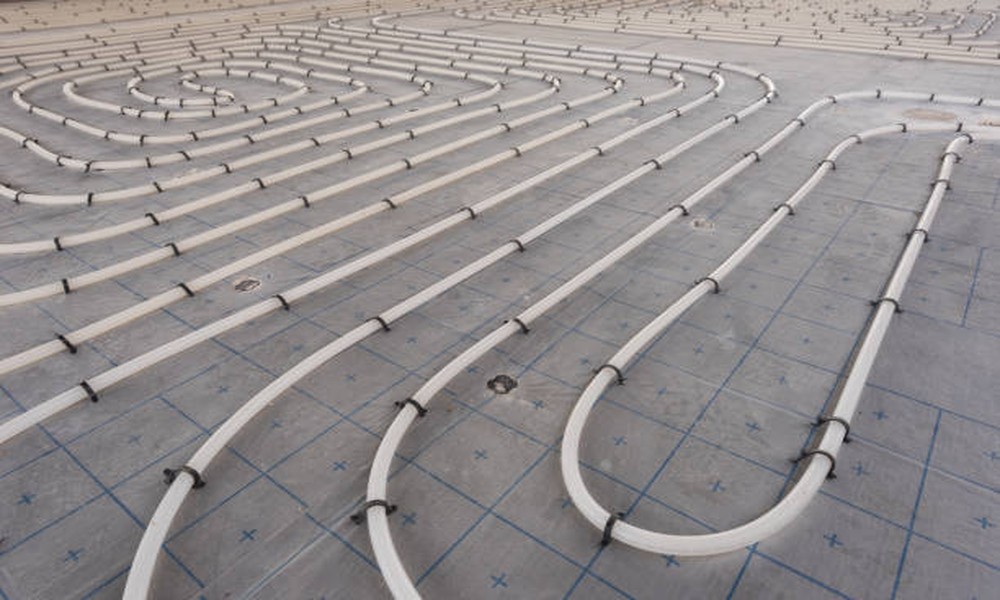
When it comes to enjoying your swimming pool year-round, controlling water temperature makes a major difference in comfort. Modern pool heating and cooling systems offer homeowners more flexibility than ever, but choosing the right option depends on climate, pool usage, and energy efficiency preferences. Understanding how each system works can help you make a smarter long-term investment for your backyard oasis.
Understanding Pool Temperature Control Systems
Today’s pool climate control solutions are designed to either heat, cool, or maintain balanced water temperatures. The most common systems include heat pumps, gas heaters, and combined heating and cooling units. Each system uses a different method to adjust water temperature, and each comes with its own advantages depending on how often you use your pool and the weather conditions in your area.
Heat Pumps for Efficient Year-Round Comfort
Heat pumps are one of the most popular choices for modern pool owners because they are highly energy-efficient. Instead of generating heat directly, they extract warmth from the surrounding air and transfer it into the pool water. This makes them cost-effective over time and ideal for regions with moderate climates. Many advanced models can also reverse the process to provide cooling during hot weather, helping prevent overly warm pool water in peak summer months.
Gas Heaters for Fast Heating
Gas heaters are known for their ability to heat pool water quickly, making them a strong option for homeowners who want immediate results. They work independently of outside air temperature, which means they can be effective even in colder conditions. However, they typically consume more energy, so they are often used for short-term heating or occasional use rather than continuous temperature control.
Pool Cooling Systems for Hot Climates
In extremely warm regions, pool water can become uncomfortably hot. Pool cooling systems, sometimes integrated with heat pumps, help lower water temperatures by removing heat from the water and releasing it into the air. These systems are especially useful for maintaining refreshing water conditions during long summer heat waves and for improving overall swimming comfort.
Choosing the Right System for Your Pool
The best system depends on how you use your pool. If you swim year-round and want balanced efficiency, a heat pump with both heating and cooling capability is often the most versatile choice. If fast heating is your priority, a gas heater may be more suitable. For hot climates where cooling is just as important as heating, a combined system offers the most control.
Energy Efficiency and Long-Term Value
Energy efficiency should also play a major role in your decision. Heat pumps generally offer lower long-term operating costs, while gas heaters may result in higher ongoing expenses. Cooling systems add another layer of comfort, but should be selected based on actual climate needs to avoid unnecessary energy use.
By understanding your environment, usage habits, and comfort preferences, you can choose a system that keeps your pool enjoyable in every season while balancing performance and efficiency.
This post was written by a professional at Sunsation Pools & Spas, Inc., a full-service pool and deck construction company in Largo, FL specializing in design and remodeling. As a leading pool and deck construction company near you, we proudly serve the Tampa Bay Area, including pool remodeling in Clearwater, FL. Our skilled team offers dependable solutions and expert guidance, making us a trusted provider for pool and deck construction near you focused on delivering quality results, strong performance, and lasting value.
